


![The Muzaffarabad massacre [ Chittagong, Bangladesh ]](https://projecthindukush.com/wp-content/uploads/chronicle.brightspotcdn-1.jpg)
![The Muzaffarabad massacre [ Chittagong, Bangladesh ]](https://projecthindukush.com/wp-content/uploads/Saunder_WhatReallyHappenedInBangladesh_0-2.jpg)
![The Muzaffarabad massacre [ Chittagong, Bangladesh ]](https://projecthindukush.com/wp-content/uploads/WhatsApp-Image-2021-11-17-at-6.54.21-PM-5.jpeg)
[ Reported as seen ]
At the break of dawn on 3 May, the inhabitants of Muzaffarabad found themselves trapped as the Pakistani military and Razakars encircled their village. With raindrops falling lightly, the terror unfolded. By 7 A.M., armed forces entered the village, swiftly proceeding to doorsteps, initiating a wave of bloodshed. Seventy-year-old Rajani Sen, peacefully reciting the Ramayana, extended hospitality to his assailants, only to face a brutal demise for uttering “Jai Bangla.” Nabin Sadhu, a 75-year-old hermit immersed in the Gita, met a similar fate. Priests were coerced to shatter their cherished idols before being executed. Social worker Nirmal Sen and teacher Raimohan suffered cruel deaths, bound and shot mercilessly. Those in hiding were eventually seized, forced to recite the kalma, and butchered mercilessly. This tragic chapter of the Muzaffarabad massacre stands as a chilling testament to the horrors inflicted by religious hatred and intolerance.
Introduction
The Muzaffarabad massacre, known as মুজাফফরাবাদ হত্যাকান্ড in Bengali, refers to a tragic event that occurred on 3 May 1971 in the predominantly Hindu village of Muzaffarabad, which is now located within the Kharna Union of Patiya Upazila in the Chittagong District of Bangladesh. During this massacre, the Pakistani army, aided by local collaborators, perpetrated a brutal attack on the residents of the village.
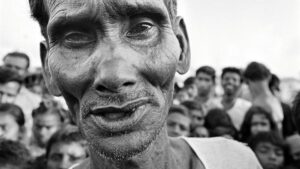
The victims of the Muzaffarabad massacre were primarily Bengali Hindus, ranging from 5-year-old children to 80-year-old men and women. The exact number of casualties is difficult to determine, but it is estimated that approximately 300 Bengali Hindus lost their lives during this tragic event. The brutality of the massacre extended beyond the loss of lives, as more than 500 houses were set ablaze, reducing them to ashes.
Eyewitness accounts point to Rameez Ahmed Chowdhury, the Chairman of Kharna Union at the time, and his associates as the individuals responsible for carrying out the massacre. These local collaborators played a significant role in assisting the Pakistani army in perpetrating the violence against the innocent residents of Muzaffarabad.
The Muzaffarabad massacre stands as a harrowing testament to the atrocities committed during the Bangladesh Liberation War in 1971. It serves as a stark reminder of the violence and persecution faced by the Bengali Hindu community during this period. The tragic events of that day continue to haunt the memories of those who survived and the families of the victims.
It is important to remember and acknowledge the Muzaffarabad massacre as a dark chapter in Bangladesh’s history, as it serves as a reminder of the need to strive for peace, justice, and harmony among all communities. By understanding the past, we can work towards building a future where such atrocities are never repeated, and where every individual can live in safety and dignity, irrespective of their religion or ethnicity.
Background
The village of Muzaffarabad, situated within the Kharna Union in the southern region of Patiya Upazila in Chittagong District, played a significant role in the events leading up to the Muzaffarabad massacre. In 1971, Muzaffarabad was predominantly inhabited by Hindus and was one among several villages in the Patiya police station area.
During the 1970 elections, an overwhelming majority of 95% of the voters in Muzaffarabad supported the Awami League, a political party that advocated for East Pakistan’s autonomy within a federal framework. The strong support for the Awami League in the village reflected the aspirations of the local population for self-determination and political freedom.
As tensions escalated and the Pakistani army launched a crackdown on 25 March 1971, many people from the nearby areas of Chittagong sought refuge in Muzaffarabad, seeking the safety of their relatives’ homes. The village became a sanctuary for those fleeing the violence and turmoil engulfing the region.
In mid-April, the Pakistani army intensified its operations in the southern part of the Chittagong district, including the occupation of Dohazari and Patiya. The army established its camp at the Primary Training Institute (PTI) in Patiya, which became a site of grave human rights abuses. Unarmed villagers were routinely arrested, tortured, and killed at the PTI grounds, their bodies callously buried beneath the earth, hidden from the world’s gaze.
As the situation deteriorated, the villagers of Muzaffarabad recognized the growing threat posed by anti-social elements and began organizing their defense. In response to frequent sightings of these elements within the village, the elders devised a plan to establish a village defense system. Twenty camps were strategically set up along the village border, with each camp consisting of twenty men who remained vigilant to any signs of danger. In the event of an attack, the men in each camp would sound an alarm, signaling others to unite and defend against the assailants. The collective effort and constant vigilance of the villagers successfully thwarted multiple attempts by the Razakars, paramilitary forces collaborating with the Pakistani army, to infiltrate and harm the residents of Muzaffarabad.
However, failing in their endeavors to subdue the village, the Razakars sought assistance from the Pakistani army stationed at the Dohazari camp. They convinced the army personnel to launch an attack on Muzaffarabad, escalating the violence and terror inflicted upon the innocent villagers.
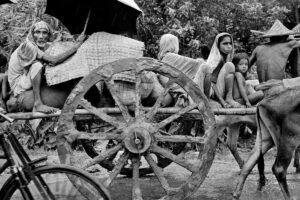
The events leading up to the Muzaffarabad massacre demonstrate the precarious situation faced by the residents of the village and their determination to protect themselves from the ruthless forces aligned against them. The villagers’ resilience and organized defense efforts exemplify their commitment to safeguard their lives, homes, and community against the brutality of the Pakistani army and its collaborators.
The background of the Muzaffarabad massacre sheds light on the broader context of the Bangladesh Liberation War, the struggle for independence, and the grave human rights violations committed by the Pakistani forces. It underscores the atrocities faced by the Hindu community and the significance of communal harmony, unity, and resistance in the face of adversity.
Remembering the events of Muzaffarabad serves as a solemn reminder of the sacrifices made by the people of Bangladesh in their quest for freedom, justice, and dignity. It reinforces the importance of cherishing the principles of inclusivity, respect for diversity, and the pursuit of a society where such atrocities never recur.
The massacre
On the fateful morning of 3 May, the peaceful slumber of the residents of Muzaffarabad was shattered as darkness gave way to the first light of dawn. Little did they know that this day would forever stain their village with bloodshed and anguish. At approximately 5:20 a.m., the Pakistani military, accompanied by the Razakars, swiftly surrounded the village from three sides, catching the unsuspecting inhabitants off guard. The drizzling rain added an eerie atmosphere to the unfolding tragedy.
By 7 a.m., the ominous presence of military trucks filled the village streets, as the Pakistani army made its way through the narrow lanes. At around 8 a.m., the nightmare began to unfold as they systematically went from door to door, unleashing terror and committing unspeakable acts of violence against the innocent villagers.
In the midst of this horrifying scene, an elderly man named Rajani Sen, seventy years of age, was engrossed in reading the holy scripture Ramayana, praying for the peace and prosperity of the nation. As the Pakistani army and the Razakars reached his doorstep, Sen welcomed them as guests, oblivious to the impending tragedy. One of the Razakars, with a chilling demand, asked Sen to say “Jai Bangla” (Victory to Bengal). As soon as the words escaped his lips, a Pakistani soldier callously thrust the barrel of his rifle into Sen’s throat and ended his life in an instant.
Nabin Sadhu, a venerable hermit aged seventy-five, deeply engrossed in reciting passages from the sacred Bhagavad Gita, faced a similar fate. Ignoring his devotion and peaceful presence, the attackers heartlessly shot him dead. The assailants, fuelled by a desire to eradicate religious symbols, gathered the village priests and coerced them into desecrating the idols they held sacred. After the sacrilege was committed, the priests were mercilessly executed.
Amidst the chaos, social worker Nirmal Sen and his father Upendralal Sen were forcefully taken to a nearby paddy field. Bound together with a gamchha, a traditional cloth, they stood defenseless as their lives were callously extinguished by a barrage of bullets. Raimohan, a beloved teacher at Muzaffarabad High School, who had sought solace in the act of fishing in a village pond, faced a similarly cruel fate. He and his son were ensnared within a fishing net and brutally executed.
Those who managed to evade the initial wave of violence and sought refuge in hiding places were relentlessly hunted down by the Razakars. In a perverse test of religious identity, the villagers were ordered to recite the kalma, a declaration of faith in Islam. For those who failed this test, their fate was sealed. In a grisly act reminiscent of ritual slaughter, they were butchered mercilessly, their lives taken in the most gruesome manner.
The events of that dreadful day in Muzaffarabad forever scarred the village and its inhabitants. The indiscriminate brutality unleashed by the Pakistani military and their collaborators, the Razakars, left a haunting trail of shattered lives and mourning families. The massacre, marked by the targeting of Hindus based on their religious identity, stands as a stark reminder of the darkest depths of human cruelty and intolerance.
The memory of those who lost their lives in Muzaffarabad massacre serves as a painful testament to the countless innocent lives lost during the struggle for Bangladesh’s independence. It stands as a reminder of the importance of preserving peace, justice, and harmony, and of our collective responsibility to ensure that such atrocities are never repeated.
Aftermath
The aftermath of the Muzaffarabad massacre was marked by ongoing violence and atrocities committed by the local Razakars. Even after the Pakistani army’s departure, the village fell victim to looting and targeted killings. The horrifying events of 3 May were not an isolated incident but rather a precursor to a prolonged period of terror.
In the days following the massacre, the Razakars intensified their reign of terror. On 7 or 8 May, Natun Chandra Chaudhuri fell victim to a brutal beating at the hands of a group of Razakars from Elahabad. This act of violence served as a grim reminder of the ongoing danger faced by the surviving villagers. Baren Ray Chaudhuri, a dedicated teacher at Muzaffarabad High School, met a tragic fate shortly thereafter. Seeking medicine for his ailing mother, he ventured to Joara Munsirhat. However, on his return journey, he was ambushed and mercilessly killed by the Razakars near Mohammadpur.
The village of Muzaffarabad was left devastated both physically and emotionally. The echoes of the ruthless acts committed by the Pakistani army and their collaborators lingered, casting a dark shadow over the once-thriving community. The loss of lives and the destruction of homes had a profound impact on the survivors, leaving scars that would endure for generations.
The aftermath of the massacre also witnessed a climate of fear and despair. The villagers who managed to escape the initial onslaught lived in constant fear of further persecution. The sense of safety and security they had once known had been irreparably shattered. The tragic events of 3 May served as a haunting reminder that their lives could be snuffed out at any moment, simply based on their religious identity.
The Muzaffarabad massacre stands as a somber testament to the horrors of communal violence and the devastating consequences it leaves in its wake. The aftermath was a period of mourning, grief, and a desperate struggle to rebuild shattered lives. The survivors grappled with trauma and loss, attempting to find solace in the midst of unimaginable tragedy.
Decades have passed since that fateful day, but the memory of the Muzaffarabad massacre remains etched in the collective consciousness of those who survived and their descendants. It serves as a stark reminder of the importance of preserving peace, fostering tolerance, and upholding the principles of humanity.
As we reflect upon the aftermath of this horrific event, it is crucial to remember the victims and honor their memory. Their lives were unjustly taken, and their stories serve as a poignant reminder of the need for justice, healing, and a steadfast commitment to ensuring that such atrocities are never repeated. May their souls find peace, and may their tragic fate serve as a constant reminder of the importance of unity and compassion in our world.
Memorial
Every year, on the solemn occasion of 3 May, the people of Muzaffarabad come together to honor and remember the victims of the tragic massacre. This day serves as a somber reminder of the lives lost and the pain endured by the community. To commemorate this dark chapter in their history, various events and activities are organized throughout the day.
Lectures, seminars, and cultural programs are held, providing a platform for reflection, discussion, and remembrance. These gatherings serve as opportunities for individuals to share their thoughts, experiences, and insights, ensuring that the memory of the victims remains alive in the collective consciousness of the community. Through these events, the people of Muzaffarabad strive to preserve the stories and narratives of those who suffered during the massacre, ensuring that their voices are never silenced or forgotten.
In 2010, a significant milestone was reached with the construction of a new memorial structure. This memorial stands as a tangible symbol of remembrance, providing a physical space where individuals can come to pay their respects and reflect on the tragic events that unfolded on that fateful day. It serves as a solemn reminder of the sacrifices made and the lives lost, evoking a sense of reverence and solemnity.
However, despite the establishment of this memorial structure, there remains a pressing need for further action. Regrettably, little initiative has been taken to preserve the mass burial site where the victims were laid to rest. The significance of this sacred ground cannot be overstated, as it holds the remains of those who tragically perished during the massacre. Preserving this burial site would not only honor the memory of the victims but also provide a place for reflection and contemplation, fostering a deeper understanding of the profound impact of the tragedy.
Efforts should be made to safeguard this site, ensuring its integrity and protection for future generations. By doing so, the community can continue to pay their respects and honor the memory of the victims, ensuring that their sacrifices are never forgotten.
In conclusion, the people of Muzaffarabad observe 3 May with reverence and solemnity, organizing various events and activities to commemorate the victims of the massacre. While the construction of a memorial structure stands as a tangible symbol of remembrance, more attention and action should be directed towards preserving the mass burial site. By upholding the memory of those who suffered and perished, the community can collectively work towards healing, understanding, and fostering a future built on peace and tolerance.
Lives lost
The lives tragically lost in the Muzaffarabad massacre are etched in the collective memory of the community. The list of individuals who fell victim to this horrific event serves as a poignant reminder of the devastating impact it had on the lives of many. Among those who lost their lives are:
1. Raimohan Biswas (50)
2. Pranhari Biswas (52)
3. Rajbihari Biswas (44)
4. Surabala Chaudhuri (55)
5. Dulal Chaudhuri
6. Nirmal Sen (45)
7. Upendra Sen (70)
8. Niranjan Biswas (45)
9. Natun Chandra Ghosh (60)
10. Rohini Datta (45)
11. Anil Chakrabarti
12. Rajani Sen (55)
13. Nabin Sadhu (75)
14. Dhirendra Datta (60)
15. Shankar Prasad Sen (50)
16. Upendra Kar (45)
17. Mahendra Chaudhuri (65)
18. Jatindra Das (40)
19. Surendra Sen
20. Dipak Sen
21. Nikunja Das
22. Ashwini Das
23. Banamali Das
24. Upendralal Chaudhuri
Each of these individuals had their own stories, dreams, and aspirations, cut short by the brutality of the massacre. Their names bear witness to the immense loss experienced by their families and the wider community. May their memories be honored and their sacrifice never forgotten.
Conclusion
The Muzaffarabad massacre stands as a dark chapter in history, leaving behind a trail of pain, loss, and shattered lives. The events of that fateful day continue to evoke deep sorrow and serve as a somber reminder of the atrocities committed against innocent civilians. The stories of the victims, whose lives were abruptly extinguished, echo through the generations, demanding remembrance and justice.
As we reflect on the horrors of the massacre, it becomes evident that the wounds inflicted on the affected families and the community as a whole have not yet healed. The scars of this tragic event are still etched in the hearts and minds of those who survived, as well as in the collective memory of the nation. The pain of losing loved ones and the anguish of witnessing such senseless violence linger, serving as a constant reminder of the need for truth, acknowledgment, and reconciliation.
It is imperative that we acknowledge the courage and resilience of the survivors who have carried the weight of this tragedy throughout their lives. Their strength and determination to keep the memory of their loved ones alive, and their unwavering pursuit of justice, deserve our utmost respect and support.
Furthermore, it is essential that society as a whole recognizes the significance of preserving the memory of the Muzaffarabad massacre. By actively engaging in commemorative activities, such as lectures, seminars, and cultural programs, we can honor the victims, amplify their voices, and ensure that their stories are never forgotten.
In addition to commemorating the victims, it is crucial to address the lack of initiatives to preserve the mass burial site. Efforts should be made to protect and maintain this sacred ground as a lasting symbol of remembrance and a tangible testament to the atrocities committed. By preserving the site, future generations will have a tangible connection to the past, fostering a deeper understanding of the magnitude of the tragedy and the importance of peace, tolerance, and respect for all human lives.
As we conclude our reflection on the Muzaffarabad massacre, we must commit ourselves to work tirelessly to prevent such acts of violence from ever recurring. By promoting dialogue, understanding, and empathy, we can strive towards building a society where every individual is valued, protected, and respected.
May the memory of the victims forever be etched in our collective conscience, serving as a reminder of the horrors of the past and inspiring us to build a more inclusive and compassionate future.
CITATIONS AND SOURCES
1. Guha, R. (2015). India after Gandhi: The History of the World’s Largest Democracy. Pan Macmillan.
2. Bose, S. (1997). The Sainbari Killings and the Democratic Left. Economic and Political Weekly, 32(17), 908-910.
3. Sinha, B. P. (2017). Nandigram and Singur: A Case of Political Violence in West Bengal. International Journal of Humanities and Social Science Research, 3(11), 52-60.
4. Chatterjee, P. (2007). CPI(M)’s Rules of Killing. Economic and Political Weekly, 42(49), 59-64.
5. Basu, S., & Das, A. (2014). Political Violence and Elections in West Bengal. Economic and Political Weekly, 49(4), 42-49.
6. Biswas, S., & Ghosh, R. (2012). Political Violence and Social Fragmentation in West Bengal: A Case Study of the Left Front Regime. Asian Journal of Political Science, 20(1), 35-54.


